Flamingo Pink Cat Tree Tower: Sisal Posts + Hammock
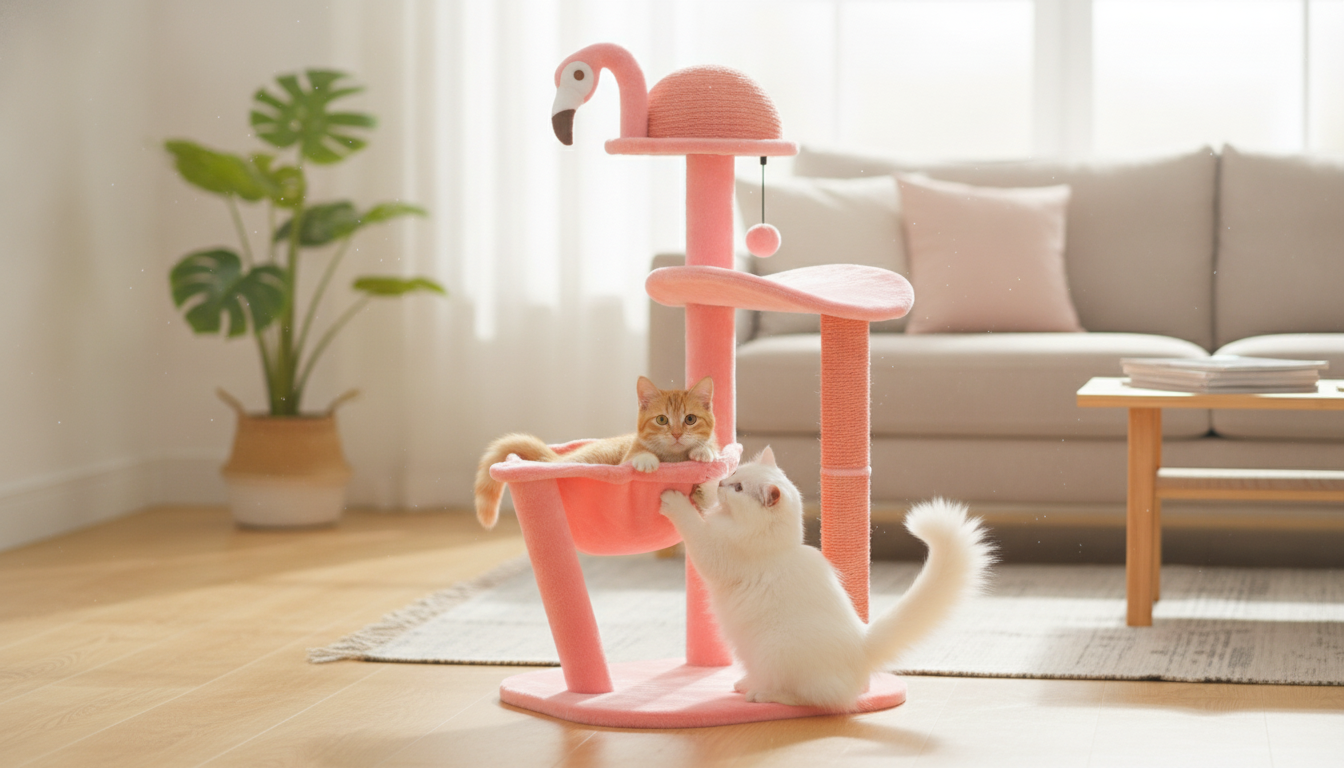
Flamingo Pink Cat Tree Tower with Sisal Scratching Posts & Hammock: Play, Scratch, Lounge
A cat tree can do more than save the sofa—it can become a daily routine for climbing, scratching, perching, and napping. This flamingo-pink tower pairs multiple sisal-wrapped scratching posts with a cozy hammock-style rest spot, creating a compact home base that supports activity and downtime in one footprint. For indoor cats especially, a dedicated vertical “zone” can add structure to the day: a place to stretch, survey the room, burn off energy, and settle into calmer rest. For more guidance, see [PDF] Guide to the Ecological Systems of Puerto Rico – USDA Forest Service.
Indoor enrichment matters because it helps reduce boredom behaviors and keeps natural instincts (like climbing and scratching) pointed at the right targets. For additional background on creating a richer indoor environment, the AVMA’s guidance on environmental enrichment for indoor cats is a helpful reference. For further reading, see words.txt – UCSB Computer Science.
What Makes This Tower a Cat Favorite
- Vertical space encourages climbing and perching, which helps many cats feel secure and engaged indoors. A higher vantage point can be especially appealing in busy households.
- Sisal scratching areas provide a dedicated place to scratch, supporting claw maintenance and full-body stretching. (Scratching isn’t “bad behavior”—it’s normal cat behavior.)
- Hammock-style lounging offers a cradled rest spot that suits cats who like to curl up and feel gently supported rather than sprawled flat.
- Multi-level layout separates activities: scratch low, climb mid, rest high—or the reverse, depending on where the cat naturally gravitates.
Many cats also use a cat tree as a predictable “reset” zone. After zoomies, they can hop up, scratch, and settle—repeating the same sequence each day like a small ritual.
Key Features to Check Before Buying
- Scratch coverage: count how many posts are sisal-wrapped and whether they’re placed where the cat naturally scratches (near entry points and favorite routes).
- Resting areas: hammock depth and position matter—some cats prefer a lower, easy-access lounge; others prefer higher perches.
- Base stability: a wider, heavier base generally reduces wobble during leaps and play.
- Surface comfort: look for soft, paw-friendly covering on platforms where cats will sit or nap.
- Space fit: confirm the tower’s footprint works for the room layout and keeps walkways clear.
- Multi-cat use: households with more than one cat benefit from at least two separate resting zones to reduce resource guarding.
| What to consider | Why it matters | Simple check at home |
|---|---|---|
| Placement | Cats use it more when it’s part of their daily path | Put it near a window or a social area, not hidden in a corner |
| Stability | Prevents tipping and reduces fear of using it | Press gently on the top platform; it shouldn’t sway easily |
| Scratch zones | Redirects scratching away from furniture | Place near a current scratching spot to encourage switching |
| Lounge comfort | Improves nap time and repeat use | Ensure the hammock sits level and isn’t overly tight |
| Cat size/age | Easy access supports seniors and timid cats | Look for reachable step-ups rather than big jumps |
Best Setup Ideas (Especially for Indoor Cats)
- Window station: place near a window for bird-watching. You’ll get a safe, sturdy perch view without blocking blinds or curtains. If possible, angle the tower so the top level faces the most interesting view.
- Scratch-toy routine: sprinkle catnip on the sisal posts for the first few days to build a habit. Reward the moment your cat uses the post (even a quick paw scrape) with praise or a treat.
- Traffic flow: keep the tower near a route your cat already uses (bedroom to living room, or near a hallway). Place it near—but not right beside—food and water bowls so it doesn’t feel like it’s “guarding” resources.
- Multi-zone enrichment: pair the tower with a floor toy and a separate scratch pad to reduce boredom loops. Rotating toys weekly can keep the tree feeling “new” without moving furniture constantly.
- Quiet retreat: for shy cats, place it where they can observe without being approached from behind. A corner that still faces the room often works better than the middle of the floor.
For a deeper look at why scratching happens and how to guide it, the ASPCA overview of scratching behavior in cats is a strong, practical resource.
Care and Maintenance for Longer Life
Is a Hammock Style Right for Your Cat?
Flamingo Pink Cat Tree Tower with Sisal Scratching Posts & Hammock
| Detail | Value |
|---|---|
| Product | Flamingo Pink Cat Tree Tower with Sisal Scratching Posts & Hammock |
| Price | 53.82 USD |
| Availability | In stock |
| Product page | View product |
More In-Stock Finds for Pet Parents
- Mesh Office Chair with Lumbar Support (in stock): a comfortable upgrade for the human who ends up working next to the cat tree.
- 925 Sterling Silver K Gold Drop Earrings (in stock): a giftable pick for cat lovers who appreciate simple, polished style.
FAQ
How do cats start using a new cat tree?
Place it in a familiar, high-traffic room and reward any investigation with treats or praise. Catnip on the sisal posts can help, and it’s best to avoid forcing your cat onto it—many cats take a few days to adopt something new.
Are sisal scratching posts better than carpet for scratching?
Sisal is durable and offers a firm, satisfying resistance that many cats enjoy for scratching and stretching. Some cats prefer different textures, so offering more than one scratching surface can make the switch from furniture easier.
Where should a cat tree be placed for the most use?
Place it near a window or in a social room along a route your cat already walks, and away from loud appliances. Make sure it sits on a stable surface so it doesn’t wobble when your cat jumps up.









Leave a comment