Open-Ear Bone Conduction Earphones: Bluetooth 5.3 Calls

Everyday Listening Without Blocking Your Ears
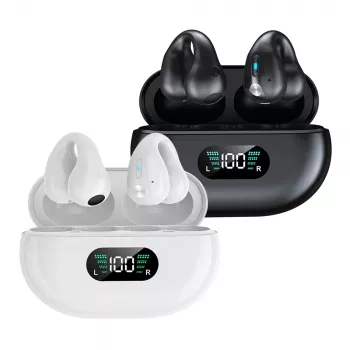
Bone conduction earphones are built for people who want audio on the go without the sealed, “plugged-in” feel of traditional earbuds. Instead of sitting inside the ear canal, they rest outside the ear and transmit sound as gentle vibrations near the cheekbone. Paired with Bluetooth 5.3 and call-focused noise reduction, the Wireless Bone Conduction Bluetooth 5.3 Earphones with HD Call & Noise Reduction are a practical pick for commutes, workouts, and quick work calls—especially when staying aware of your surroundings matters. For more guidance, see Improvement of voice quality and prevention of deafness by a bone ….
What Bone Conduction Earphones Do Differently
Open-ear bone conduction changes how audio feels during everyday use. Instead of isolating you from the world, it keeps your ear canals unobstructed while still delivering music, podcasts, and call audio. For further reading, see Noise Cancelling headset | American Association of Woodturners.
- Open-ear listening: Ears remain unobstructed, which can feel more breathable and less fatiguing during long wear.
- Sound transmission: Audio is delivered via vibrations through bones near the ear rather than sealing the ear canal with silicone tips.
- Situational awareness: Helpful when you want to hear what’s happening around you—walking near traffic, cycling, or staying alert in an office.
- Fit approach: Most designs use a lightweight wrap or band that sits around the ear area, minimizing the “in-ear pressure” some people dislike.
One important expectation to set: because the ear canal is open, bone conduction can feel less immersive in loud environments. If you’re standing next to heavy traffic or gym speakers, you may need a higher volume than you would with in-ear buds.
Highlights of the Bluetooth 5.3 + HD Call Setup
Wireless performance and call clarity are often the deciding factors for daily-use earphones. Bluetooth version, microphone tuning, and noise handling all shape how the experience holds up beyond a quiet room.
- Bluetooth 5.3: Built on the Bluetooth Core Specification, newer versions are designed for more efficient connections and better stability in many real-world situations (more details from the Bluetooth SIG).
- HD call tuning + noise reduction: Aimed at improving voice clarity by reducing steady background noise and prioritizing speech—especially useful for sidewalk calls, errands, and busy households.
- Hands-free convenience: Quick calls without digging out your phone, whether you’re walking the dog, carrying groceries, or moving between meetings.
- Less “occlusion effect” while speaking: Open-ear designs can reduce that blocked sensation that sometimes makes your own voice feel boomy when you talk.
It’s also worth noting that “noise reduction” for calls is not the same as active noise cancellation for listening. Call noise reduction focuses on what the microphones pick up (your voice vs. background), while noise-cancelling listening is typically about reducing the sound you hear. For a simple explainer on the underlying concepts, see HowStuffWorks on how noise-cancelling headphones work.
Comfort, Fit, and Daily Use Scenarios
Bone conduction earphones tend to shine when you want lightweight comfort and awareness, not total isolation. Here are a few common scenarios where open-ear listening fits naturally into the day.
Workouts and outdoor activity
- Less “sealed-in” feel: With no ear tips, some users find them less sweaty and easier to keep comfortable during exercise.
- Better awareness: You can hear approaching cyclists, cars, or people around you—useful for outdoor running and walking.
- Stay-put fit: A wraparound frame can feel more stable than earbuds that rely on a tight in-ear seal.
Office and home routines
- Background listening: Ideal for music or podcasts while still being able to respond to coworkers, kids, or delivery alerts.
- Quick meeting calls: Handy for jumping into short calls without fully “checking out” of your surroundings.
Glasses, hats, and pressure points
- Glasses compatibility: Most frames work fine, but you may need small placement tweaks where the glasses arms and the earphone frame meet.
- Long-session comfort: Take brief breaks during extended wear, especially if you’re sweating or wearing sunscreen, since buildup at contact points can cause irritation.
Quick Specs and Buying Checklist
| Feature | Why it matters | What to look for |
|---|---|---|
| Bluetooth 5.3 | More stable wireless link and efficient power behavior | Reliable pairing and fewer dropouts in busy areas |
| HD calls + noise reduction | Clearer voice pickup during calls | Reduced background noise during talking |
| Open-ear bone conduction | Comfort and awareness of surroundings | No ear tips; rests outside the ear canal |
| Controls | Faster call/music handling | Easy-to-find buttons or touch areas without accidental taps |
For a simple way to get started, the Wireless Bone Conduction Bluetooth 5.3 Earphones with HD Call & Noise Reduction check the boxes for open-ear comfort, updated Bluetooth, and call-forward features at a budget-friendly price point.
Care, Charging Habits, and Longevity Tips
More Everyday Picks for Work, Commutes, and Gifting
- Mesh Office Chair with Lumbar Support for longer desk sessions and better posture support.
- 925 Sterling Silver K Gold Drop Earrings for an easy, dress-up accessory that works for daily wear or gifting.
FAQ
Are bone conduction earphones good for phone calls in noisy places?
They can be, especially when the microphones and noise reduction are tuned to prioritize speech. Very loud traffic or strong wind can still affect clarity, so positioning yourself away from direct wind and stepping to a slightly quieter spot helps.
Do bone conduction earphones work with glasses?
Yes, they typically work well with glasses. If you feel pressure where the glasses arms and earphone frame meet, small placement adjustments usually improve comfort for longer sessions.
Is Bluetooth 5.3 compatible with older phones?
Bluetooth is generally backward compatible, so these earphones should connect to older Bluetooth devices. Some benefits of newer versions depend on the phone’s hardware and software capabilities.









Leave a comment