Self-Love Meditations: 7-Day Worthiness & Calm Reset
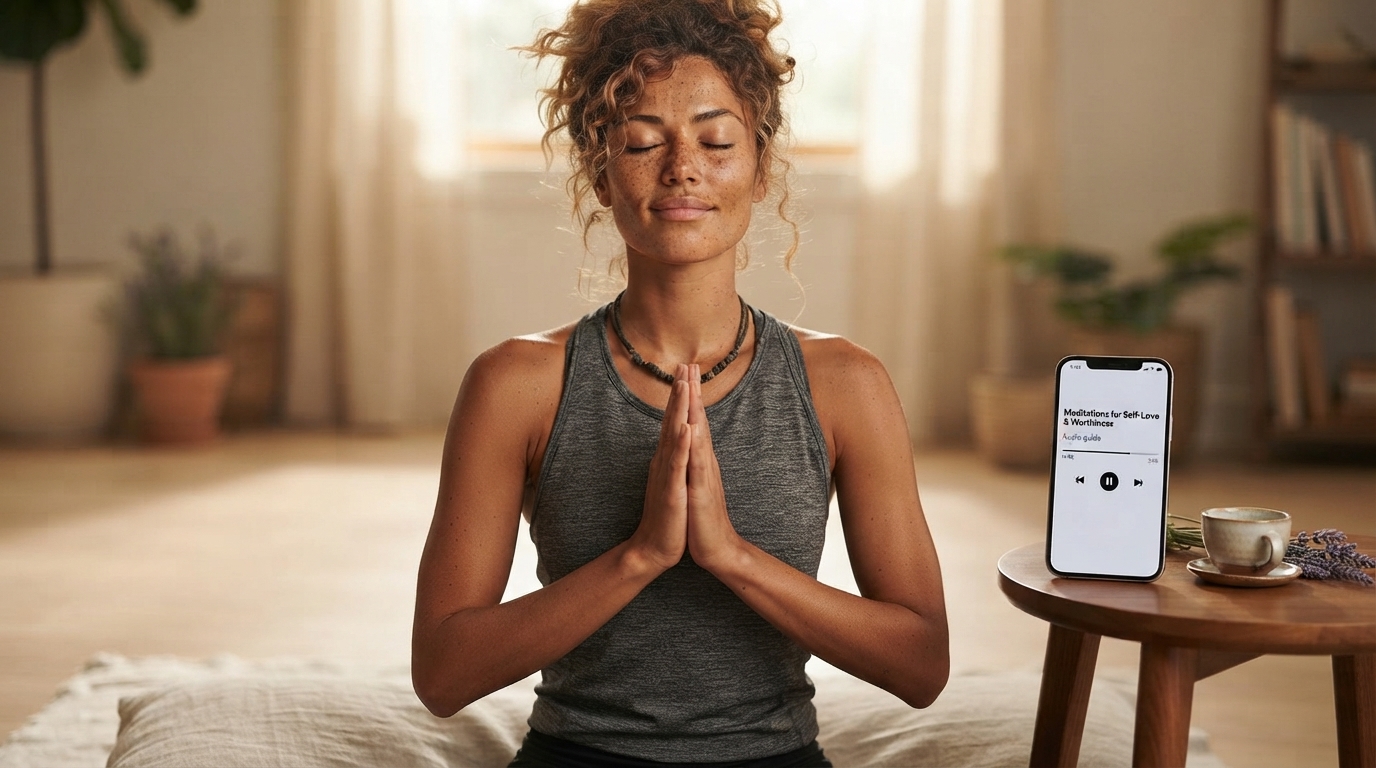
Feeling “Not Enough” Doesn’t Mean You Are
Feeling “not enough” can show up as overthinking, people-pleasing, tension in the body, or a constant need to prove worth. A supportive audio course can make practice easier by guiding breath, attention, and compassionate self-talk step by step—so self-love becomes something that’s felt, not forced. The approach below blends guided meditations, affirmations, and mindfulness practices designed to build steadier confidence, calm the nervous system, and support inner healing over time.
What Self-Love and Worthiness Practice Actually Builds
Self-love isn’t just positive thinking. A consistent practice helps create inner conditions where confidence and calm can take root—especially during stress.
- A kinder inner voice: noticing harsh self-talk and replacing it with compassionate language that feels believable.
- Emotional regulation: learning to stay with feelings without getting swept away or shutting down.
- Body-based safety: using breath and sensation to signal “I’m safe” to the nervous system, especially after stress.
- Values-based confidence: aligning daily choices with what matters, rather than chasing approval.
- Repair after setbacks: returning to steadiness after mistakes, rejection, or comparison spirals.
How Guided Meditations, Affirmations, and Mindfulness Work Together
These tools do different jobs. Together, they help shift both what you notice and how you respond—mentally, emotionally, and physically.
- Guided meditations provide structure when the mind is busy—helpful for beginners or anyone who freezes when trying to “do it right.”
- Affirmations reinforce new self-beliefs; the most effective ones are specific, emotionally tolerable, and paired with felt sense in the body.
- Mindfulness trains attention and reduces reactivity; it creates space to choose a response rather than replay an old pattern.
- Combining all three supports both insight (understanding patterns) and integration (actually living differently).
Quick guide: choose the practice that fits the moment
| If the moment feels like… | Try this | Time | Helpful cue |
|---|---|---|---|
| Anxiety, rushing thoughts, tight chest | Breath-led calming meditation | 5–10 min | Exhale longer than inhale |
| Self-criticism after a mistake | Self-compassion meditation + gentle affirmations | 8–15 min | Talk to yourself like a supportive friend |
| Numbness or disconnection | Body scan mindfulness | 10–20 min | Name sensations without judging them |
| Low confidence before a conversation | Confidence-focused affirmations + grounding | 3–7 min | Feet on the floor, shoulders soften |
| Old wounds or grief surfacing | Inner healing visualization | 15–25 min | Go slow; pause if overwhelmed |
A Simple 7-Day Routine to Build Worthiness from the Inside Out
This one-week rhythm is intentionally realistic: short sessions that teach your mind and body what steadiness feels like, then repeat. If you miss a day, restart where you are—no “starting over” required.
- Day 1: Grounding practice (5–10 min) to establish safety and reduce mental noise.
- Day 2: Body scan (10–15 min) to rebuild connection with the body and soften tension patterns.
- Day 3: Self-love meditation (10–20 min) focused on warmth, care, and acceptance.
- Day 4: Worthiness affirmations (5–10 min) spoken slowly with attention on breath and chest/heart area.
- Day 5: Mindfulness for confidence (8–15 min) to practice staying present during discomfort.
- Day 6: Inner healing session (15–25 min) to meet a tender memory with compassion and boundaries.
- Day 7: Integration (10–15 min): reflect on one small behavior change that proves self-respect (rest, boundaries, asking for help).
Meditations for Self-Love & Worthiness Audio Course: What It Supports
If staying consistent is the hard part, guided audio can remove friction: press play, follow along, and let your nervous system learn the pattern through repetition.
- Guided sessions designed to strengthen self-love and a sense of inherent worth over time.
- Affirmation-based tracks to reinforce steadier confidence and kinder self-talk.
- Mindfulness practices aimed at calm, emotional balance, and reconnecting with the body.
- A practical format for busy days: listen during a walk, before sleep, or during a reset break.
- Suitable for beginners who want step-by-step guidance and experienced meditators who want a focused theme.
Meditations for Self-Love & Worthiness audio course is designed for moments when you want support that feels steady, not performative—so the practice becomes a lived experience rather than another item on a self-improvement checklist.
Small Comforts That Make the Practice Easier (Optional, but Helpful)
- Mesh Office Chair with Lumbar Support: helpful for longer seated sessions, journaling, or workdays where posture and breath feel restricted.
- 925 Sterling Silver K Gold Drop Earrings: a subtle “I matter” reminder—useful as a personal symbol on days confidence feels shaky.
- 18k Polished Balloon Beaded Bracelet with Customizable English Letters: customize with a word like “ENOUGH,” “CALM,” or initials as a grounding cue you can touch during affirmations.
Getting Better Results from Audio Meditations
For deeper reading on why these practices help, explore research and exercises from Self-Compassion (Kristin Neff), an overview of mindfulness from the American Psychological Association, and safety/effectiveness notes from the NCCIH.
Who This Approach Fits Best (and Who Should Adapt It)
FAQ
How often should guided meditations for self-love be done to notice a change?
A realistic rhythm is 5–15 minutes per session, about 4–6 days per week. Many people notice early shifts (like softer self-talk or less spiraling) within 1–2 weeks, with deeper confidence and steadier calm building over 4–8 weeks through gentle repetition.
What if affirmations feel fake or triggering?
Use “bridge” statements such as “I’m learning to be kinder to myself,” and pair them with slow breathing and a hand on the heart to reduce resistance. If a statement spikes anxiety, switch to mindfulness or a body scan first, then return to a more believable affirmation.
Can these practices help with anxiety and inner healing?
They can support anxiety by calming the nervous system through breath and attention, and support inner healing by reducing shame and strengthening self-compassion. If symptoms feel severe, persistent, or overwhelming, meditation works best alongside qualified professional care rather than as a substitute.











Leave a comment